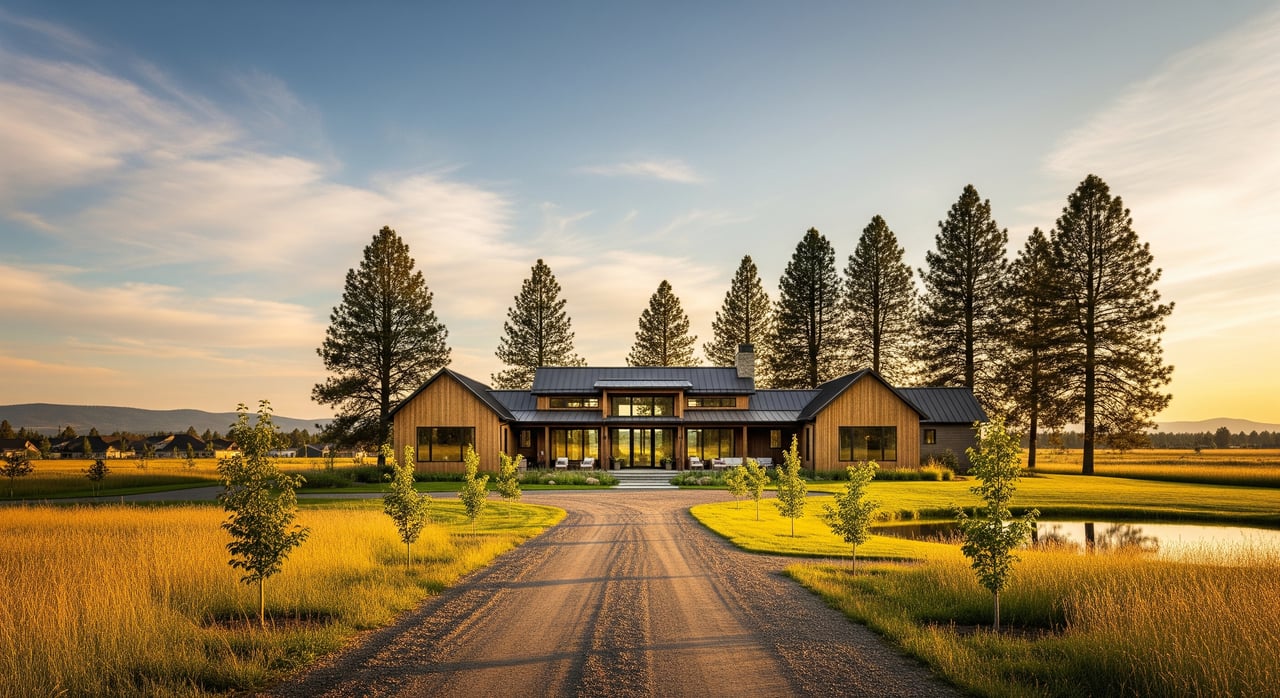
Craving more space in Colbert, but not sure if acreage or a subdivision fits your daily life? You want room for hobbies and privacy, yet you also want reliable utilities and an easy commute. Both options can work well in Spokane County, but they come with different responsibilities and costs. In this guide, you’ll compare the day-to-day trade-offs, what to verify on showings, and how to plan your budget with confidence. Let’s dive in.
Colbert acreage and subdivisions at a glance
Acreage around Colbert sits in unincorporated Spokane County. Lots often range from 1 to 40 acres or more and can allow outbuildings, small-scale agriculture, and privacy. Specific uses and building potential depend on zoning, setbacks, and any recorded covenants, which you can confirm through the county’s planning resources. For parcel-level rules, start with the Spokane County zoning and planning pages.
Homes in subdivisions near Colbert typically sit on smaller lots and include more frequent public services like community water, sewer, and maintained streets. Some neighborhoods include CC&Rs or HOAs that set design and use standards. The bottom line is simple. If you want flexibility and space, acreage can deliver, but you will manage more systems yourself. If you want convenience and predictable services, a subdivision may be the better fit.
Utilities and services: what changes
Water: private wells vs public systems
Many Colbert-area acreage properties rely on private wells. You should verify the well log, pump specifications, flow rate, and the most recent water-quality test. The Washington State Department of Health offers clear guidance on testing and safe operation of wells, which is a helpful reference when reviewing reports. Learn more from the Washington Department of Health guidance on private wells.
Subdivision homes often connect to a public or community water system that is regulated and tested on a routine schedule. If you are comparing two homes, ask for the most recent water reports for each and confirm whether any special treatment systems are installed.
Septic systems vs public sewer
On acreage, onsite septic systems are common and require periodic pumping and maintenance. During due diligence, request the septic permit file, as-built drawing, pumping records, and the drainfield location. If you plan to add bedrooms or convert a shop to living space, you may need a septic evaluation for capacity. See county guidance through Spokane County Environmental Health onsite sewage information.
Most subdivisions connect to public sewer. This can reduce maintenance tasks, though you will still want to scope the line during inspections and review any utility billing history.
Power, gas, and backup energy
Electric service across Spokane County is provided by investor-owned utilities and rural cooperatives. Many homes are served by Avista, while some rural parcels north and east of Spokane may be served by Inland Power & Light. Confirm the provider, existing transformer location, and any costs for service upgrades. Explore provider details at Avista Utilities and Inland Power & Light.
Natural gas service is not universal on acreage, so some properties use propane. Many acreage owners also add standby generators. If backup power matters to you, ask for past outage history, the generator’s interconnection setup, and service records.
Internet and cell coverage
Broadband access varies widely on acreage. Options might include cable or DSL near denser corridors, fixed wireless, satellite, or a mobile hotspot. Before you fall in love with a property, check the address on the FCC Broadband Map and ask the seller for recent speed tests. Try a real-world check during the showing if possible.
Roads and winter maintenance
Subdivision streets are typically maintained and plowed by the county or city. On acreage, access can be via public county roads or private roads and long driveways that owners maintain themselves. Ask for any recorded road maintenance agreements, recent grading or snow removal costs, and consider how the driveway grade will perform during freeze-thaw cycles. For public road maintenance and contacts, start with Spokane County Public Works.
Fire protection and emergency services
Rural properties fall within various fire protection districts. Response times, water supply, and hydrant availability can differ from subdivision settings. It is smart to confirm the serving district, discuss defensible space around structures, and ask about any mitigation expectations. Use the county’s fire district resources to identify service areas and contacts at the Spokane County fire districts and emergency services page.
Permits, zoning, and what you can build
Outbuildings and accessory structures
Shops, barns, arenas, and guest structures are a major appeal of acreage living, but many require permits. Depending on size and use, you may also need septic or well reviews. Agricultural exemptions can apply in certain cases, but they have specific definitions and limits. For rules, thresholds, and checklists, review the Spokane County Building and Permit Center.
Livestock and agricultural use
Allowed livestock types and numbers depend on zoning and lot size. Some rural residential zones permit horses and small livestock, while others limit intensity or require minimum acreage. Fencing rules and setbacks also apply. If you are planning a hobby farm, verify details with zoning and the assessor before closing.
Environmental constraints and critical areas
Parcels that include streams, wetlands, steep slopes, or wildlife habitat may face setbacks or special reviews. If any part of the property lies in a flood hazard zone, you should understand development limits and insurance implications. You can check flood hazard boundaries at the FEMA Flood Map Service Center and confirm critical areas with county planning.
CC&Rs and HOAs
Some acreage subdivisions have recorded covenants that limit business activity, control building appearance, or restrict certain uses. Others have no HOA. Always request the title report early, including all CC&Rs and easements, so you can plan improvements with confidence.
Lifestyle trade-offs and costs
Maintenance and time
Acreage living often brings more hands-on work. You may handle well or water treatment checks, septic pumping, driveway grading, snow removal, fencing, and land management. You can hire contractors for many of these tasks, but you should plan time and a yearly budget.
In a subdivision, many responsibilities are lighter. Public services handle streets and utilities, and some HOAs cover exterior items like parks and common-area landscaping. You still need to maintain your home, but routine tasks are simpler.
Privacy and space vs convenience
Acreage gives you room for a shop, garden, or horses plus fewer close neighbors and wider views. Subdivisions trade that space for sidewalks, street lighting, and easier access to daily amenities. Your ideal fit depends on how you value privacy, convenience, and the time you want to spend on maintenance.
Budget items to plan for
- Well service or replacement planning and regular water-quality testing.
- Septic pumping and potential upgrades if you add bedrooms or living space.
- Driveway and private-road upkeep plus winter snow removal.
- Fencing and outbuilding maintenance or new-build permit fees.
- Utility extensions or upgrades for new structures or equipment.
- Insurance that reflects wildfire exposure, distance to hydrants, and outbuilding values.
Exact costs vary by parcel and scope. Get quotes during due diligence so your numbers fit the property you choose.
Commute and recreation
Drive times and transit
Colbert offers quick access to major corridors, but rush hour and winter can extend drives. Measure door-to-door time at your typical commute hour, not just mid-day. A practical rule is to add 10 to 25 percent to off-peak estimates to account for peak traffic and weather. For current road conditions and advisories, use WSDOT travel and road information. Regional planning data is also available through transportation agencies such as SRTC.
Transit options are limited for rural parcels, so check park-and-ride locations and schedules if transit is part of your routine. When possible, test your commute multiple times, including a winter run, to see how the route feels.
Parks, trails, and access
Acreage often puts you close to trails, timber, and open space. Confirm public vs private access and any easements before you count on a trailhead or river spot. Subdivisions may trade backdoor trail access for neighborhood parks and easier drives to community amenities. Both options keep you close to outdoor recreation across the greater Spokane area.
Tour checklist for Colbert acreage
- Utilities and services
- Confirm electric provider, service capacity, transformer location, and any extension costs.
- If on a well, request the well log, pump specs, last water-quality test, and yield info; review DOH guidance.
- If on septic, request permit file, as-built drawing, pumping records, and drainfield location.
- Verify internet options using the FCC map and ask the seller for a recent speed test.
- Access and winter
- Determine whether access is public or private; request any recorded road maintenance agreement and cost history.
- Check driveway grade, turnaround space for emergency vehicles, and winter plow feasibility.
- Fire and emergency
- Identify the serving fire district and discuss hydrant availability and defensible space practices.
- Encumbrances and improvements
- Review title for easements and covenants; verify zoning designation and permitted uses.
- If you plan a shop, barn, or ADU, discuss setbacks, maximum coverage, and permit steps with the county.
- Environmental and insurance
- Check FEMA flood maps and county critical areas; ask about any prior environmental assessments.
- Obtain insurance quotes that reflect outbuildings and wildfire considerations.
- Daily living
- Confirm school district assignment by parcel and how trash and mail are handled in that area.
- If possible, speak with nearby owners about road upkeep, snow removal, and service reliability.
Smart next steps
- Before you tour
- Pull parcel records and zoning info through Spokane County’s planning and permit pages.
- Verify internet options using the FCC map and provider tools.
- Get initial insurance and utility-cost snapshots based on property type.
- During the showing
- Ask for well, septic, road, and covenant documents plus recent utility bills.
- Test cell coverage and note driveway grade, plow routes, and distance to main roads.
- Under contract
- Order title review and confirm zoning and permitted uses.
- Schedule a well inspection and water test, septic inspection and pump-out, and a general home inspection; add specialty inspections as needed for outbuildings or soils.
- Contact utility providers about any line extensions or service upgrades.
If you want space without surprises, we can help you compare real numbers and uncover parcel-specific details before you decide. As a local husband-and-wife team, we combine neighborhood insight with full-service buyer representation tailored to Spokane County’s acreage and subdivision markets. When you are ready, reach out to BranDen Tipton to start a focused search and tour the right properties.
FAQs
What is the biggest difference between Colbert acreage and subdivisions?
- Acreage offers more space and flexibility but requires you to manage systems like wells, septic, and private roads, while subdivisions trade space for public services and lower maintenance.
How do I verify a private well and septic on a Colbert property?
- Request well logs, pump specs, water tests, and septic permits and as-builts, and review guidance from the county and the Washington Department of Health on private wells.
How does winter affect rural access near Colbert?
- Private roads and long driveways may require owner-managed plowing and sanding, so confirm any maintenance agreements and evaluate driveway grade for ice and snow.
Does acreage living change my fire insurance in Spokane County?
- It can, since distance to hydrants, wildfire exposure, and outbuilding values affect premiums, so obtain quotes that reflect the property’s actual features and location.
How should I estimate my commute from Colbert acreage?
- Time the drive at your peak hours, add 10 to 25 percent for traffic and weather, and check WSDOT road information for seasonal impacts.
Can I keep horses or build a shop on Colbert acreage?
- Often yes, but the details depend on zoning, setbacks, and CC&Rs, so verify permitted uses with Spokane County and review all recorded covenants before purchase.
