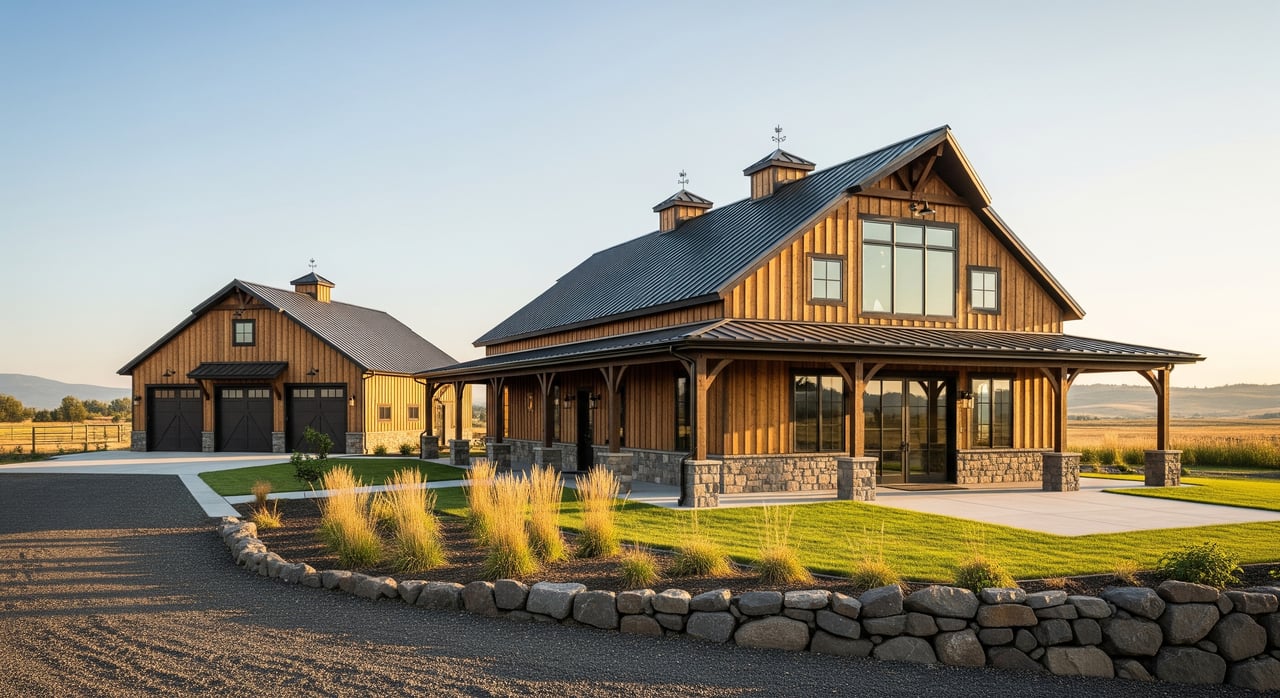
Thinking about a shop with living space near Colbert but unsure how it fits Spokane County rules? You’re not alone. Barndominiums promise big, flexible spaces for work and life, yet they come with specific zoning, design, and utility requirements. In this guide, you’ll learn what to check first, which permits you may need, and how to design for code, comfort, and resale value in the Colbert area. Let’s dive in.
Zoning basics for Colbert parcels
Getting the zoning right is your first checkpoint. Parcels in Colbert fall under Spokane County Planning & Development, which determines what you can build, where it can go on the lot, and how large it can be.
Confirm your use classification
Start by verifying how your plan will be classified. Will the building be a primary dwelling, an accessory structure with incidental living space, or a true mixed use with shop and residence together? The use classification affects allowed size, setbacks, parking, and whether additional review is needed. A planner can clarify this quickly in a pre-application conversation.
Check setbacks, size, and height
Every zone sets rules for minimum setbacks from property lines, maximum lot coverage, and height limits. These basics shape the footprint of a barndominium and the placement of doors, drives, and outdoor work areas. If the parcel has overlays, like floodplain or critical areas, expect special siting rules or extra reviews.
Understand accessory and ADU limits
If you plan the shop as an accessory building or include a separate accessory dwelling unit, you must meet Spokane County’s accessory structure or ADU rules. Many rural zones cap size or height for accessory buildings and may require the main dwelling first. Confirm this before you order a building package.
Plan for any home business activity
If you intend to run a business from the shop, such as automotive work, welding, or finishing, review home-business allowances. You may need additional permits or environmental controls, and you should plan for parking, noise, and ventilation to prevent nuisance issues.
Permits you may need
Your exact list will depend on the parcel and your design. Still, most barndominium projects include the following approvals from Spokane County and related agencies.
Building and trade permits
You will need a building permit to meet Washington State Building Code as enforced by Spokane County. Most projects also require mechanical, electrical, and plumbing permits with inspections. If you buy a metal building kit, make sure stamped engineering matches local loads and code adoption.
Septic and water approvals
If the parcel has or needs a septic system, you will apply through Spokane Regional Health District or the county environmental health authority. Septic sizing is usually based on bedroom count and fixture load. For water, gather well documents or public connection information and potability results. New wells require permits and testing.
Access, grading, and possible special permits
Driveway or approach permits, culvert approvals, and sight-distance checks are typically reviewed by Spokane County Public Works. If your site work involves significant grading or soil disturbance, expect stormwater and erosion control permits. Parcels in floodplain, wetlands, or other critical areas can trigger specific reviews, conditions, or mitigation.
Site and utility checks near Colbert
Rural living can mean more planning for utilities. Take a careful look at water, septic, power, and access before you finalize a design or offer.
Water: well or public system
Most rural parcels rely on private wells. Confirm well location, production, water quality, and any water right constraints before you proceed. If a public water system is nearby, ask about capacity, connection feasibility, and impact fees.
Septic: layout, sizing, and reserve area
Septic systems must match the intended use. Adding bedrooms or shop plumbing can change the design and trigger a new permit. Plan for a primary drainfield and reserve area with required setbacks to wells, property lines, and water bodies. A site evaluation and percolation test may be required.
Access and road conditions
Determine whether your access road is public or private. Private roads often involve shared maintenance agreements. Spokane County will confirm driveway placement, culvert needs, and sight distance. On sloped or gravel roads, consider year-round access and delivery logistics for building materials.
Power, heat, and connectivity
Shops typically need higher electrical capacity. Verify available service, panel size, and whether 240V or three-phase is feasible. For heating, check if natural gas is available or plan for propane or electric. Broadband can be limited in parts of rural Spokane County, so vet providers and costs early.
Environmental overlays and wildfire
Review FEMA flood maps and county critical area overlays. If your parcel lies in a floodplain, wetland, or riparian buffer, you may need additional permits or setbacks. Spokane County also has Wildland Urban Interface concerns. Defensible space, fuel reduction, and ember-resistant construction can improve safety and insurance options.
Structural and design must-knows
A barndominium must perform like a house and a shop at once. That means designing for Spokane County’s code requirements while keeping your daily use, comfort, and resale in mind.
Code loads and engineering
Your structure must meet the Washington State Building Code with local enforcement by Spokane County. This includes site-specific snow loads, wind loads, and seismic requirements. A licensed structural engineer can confirm the correct design values for your location and building type.
Foundation choices that fit lending
Most lenders and appraisers look for a permanent foundation. Common options include a continuous perimeter foundation, an engineered slab, or a frost-protected shallow foundation sized for local frost depth and soil conditions. Choose a foundation that matches your structure’s loads and your financing plan.
Metal frame vs. conventional wood
Metal building systems are popular, but they require careful detailing. Plan for condensation control through thermal breaks, insulation, and vapor management. Interior framing for walls and utilities must meet energy code. Attachment points at the foundation, windows, and doors benefit from engineering to manage loads and prevent leaks.
Insulation, energy code, and ventilation
Metal buildings can lose heat through thermal bridging. To meet Washington’s residential energy code, consider continuous insulation or thermal breaks along the building envelope. For comfort and health, design ventilation that handles both living spaces and shop activities, especially if you create dust or fumes. Right-size HVAC for the building’s large volume.
Shop-specific features that matter
If you plan to run lifts or heavy equipment, choose a thicker, reinforced slab with proper flatness. Any floor drains must connect to an approved system. Septic systems generally cannot accept shop water unless the system is designed and permitted for it. For serious shop tools, plan electrical capacity and outlets in your drawings.
Fire safety and separation
Plan egress windows for bedrooms and install smoke and carbon monoxide detectors per code. Depending on the size and occupancy, sprinklers may be required. Where shop and living areas meet, a rated wall or other fire separation may be needed. Ask the county building official about your layout and thresholds.
Records and due diligence to pull
Verifying records upfront protects your budget and your resale value. Here’s what to gather and why it matters.
Title, covenants, and easements
Get a current title report and review the deed for legal description and ownership. Look for covenants, conditions, and restrictions that could limit materials, colors, or uses. Confirm utility and access easements to avoid conflicts later.
County records and permitting history
Pull the Spokane County Assessor profile for parcel data and tax classification. Check the building permit history for final approvals or any open permits. Ask about code violations or enforcement history that could block future permits or a sale.
Environmental and site records
Collect well and septic records for install dates, system capacity, and maintenance. Review FEMA flood mapping and county critical area layers for floodway or riparian buffers. If past construction lacked a soils report, you may need geotechnical input for new foundations.
Surveys and plans
An ALTA or boundary survey helps confirm setbacks, easements, and structure locations. Keep engineered plans or as-builts for any existing structures. These documents streamline new permits and help appraisers and buyers evaluate the property later.
Financing, appraisal, and insurance
Unique homes can be financeable and marketable when you document the essentials.
What lenders want to see
Conventional lenders usually treat a barndominium like a site-built home if it meets building code, sits on a permanent foundation, and has approved utilities with final inspections. Government-backed loans may have additional property standards, so check with your lender early.
Appraisal in rural markets
Appraisers look for comparable sales, which can be limited in rural areas. Documenting your permanent improvements, permits, and finish quality helps. If you can find other metal-building conversions or barndominiums nearby, share that data with your lender and appraiser.
Insurance considerations
If you run commercial activities in the shop, expect higher premiums or coverage limits. Wildfire exposure can influence availability and cost. Mitigation measures like defensible space and fire-resistant details can improve insurability. Confirm your building type and intended uses with your agent before construction.
A step-by-step feasibility roadmap
Use this checklist to move from idea to approved project with fewer surprises.
- Preliminary land check
- Pull zoning, assessor data, and county GIS overlays. Note any critical areas, floodplain, or wildfire risk. Review recorded easements and CC&Rs.
- Planner pre-application
- Contact Spokane County Planning & Development. Outline your barndominium concept and get guidance on allowed uses, setbacks, and required permits.
- Site visit and utilities
- Verify road type, driveway options, and sight distance. Confirm electrical service capacity and fuel options. Review well and septic status or plan for new installations.
- Engage the right professionals
- Bring in a structural engineer experienced with metal buildings, a builder who knows these systems, a septic designer, and a surveyor.
- Gather key records
- Order a boundary survey. Pull well and septic records. Budget for a percolation test and well work if needed.
- Confirm financing and insurance
- Share preliminary plans with your lender and insurer. Make sure your foundation, utilities, and documentation will meet their standards.
- Secure permits
- Apply for building, mechanical, electrical, plumbing, septic or well, driveway and culvert, and any special permits tied to overlays.
- Document everything
- Keep permitted plans, inspection sign-offs, and final approvals organized. This protects mortgageability and strengthens resale value.
Make it marketable for resale
Think beyond move-in day. For the strongest buyer interest later, aim for a clear residential classification, a permanent foundation, and closed permits with final inspections. Invest in moisture control, good finishes, and adequate capacity for utilities. If you combine business and residential use, create clear separation and document that the use is permitted. Location, access, and overall fit with the surrounding area also help your property stand out when it is time to sell.
Ready to evaluate a parcel or plan a conversion near Colbert? Our family-run team can help you source the right property, coordinate due diligence, and navigate the process with Spokane County so you can move forward confidently. Connect with the Inland Empire Home Team when you’re ready to explore options.
FAQs
Can I live in a metal shop building near Colbert?
- Possibly, if it is permitted and constructed to residential code on a permanent foundation with approved utilities; verify zoning and use classification first.
Do I need a new septic design if I add bedrooms?
- In most cases yes, because septic sizing is driven by bedroom count and fixture load and must be reviewed and permitted by the health authority.
Will lenders finance a barndominium in Spokane County?
- Yes, if it meets code, is classified as a permanent dwelling, has a permanent foundation, and appraises with adequate comparable sales; confirm early with your lender.
How do wildfire or flood overlays affect my plan?
- These overlays can require mitigation, special permits, or design adjustments, but they usually do not prohibit development outright; check mapping and county requirements.
Can I run a business from the shop area?
- Often yes, but certain activities may trigger additional permits, licensing, and environmental controls; plan for parking, noise, and ventilation to avoid problems.
What professionals should I hire first for a barndominium?
- Engage a Spokane County planner early, then a structural engineer experienced with metal buildings, a builder, a septic designer, and a surveyor for site specifics.
