Thinking about buying a rental in Spokane Valley but not sure where to start? You are not alone. Investors are drawn to the area’s approachable prices and steady renter base, yet the numbers only work if you underwrite with care and stay current on Washington’s rental rules. In this guide, you will learn the key market stats, what types of rentals tend to perform, how to model returns, and the must‑know laws before you buy. Let’s dive in.
Spokane Valley market at a glance
Spokane Valley is a midsize city with about 108,267 residents, which provides a solid base of long‑term renter demand. You can reference the latest population estimate from U.S. Census QuickFacts to understand local scale and growth. The single‑family median closed sale price was $412,000 as of March 2025, according to Spokane REALTORS MLS data. That pricing supports approachable entry points compared with many West Coast metros.
On the rental side, recent indexes show typical Spokane Valley rents around the mid‑$1,300s to mid‑$1,400s. Zumper reported a median rent of about $1,457 in March 2026. Regionally, HUD described the rental market as transitioning toward slightly soft by mid‑2025 and noted roughly 2,200 multifamily units under construction in the broader Spokane HMA, which can mean more concessions for newer, high‑amenity product. Inventory on the for‑sale side hovered near 2.2 months in March 2025, showing more balance than the pandemic period.
What to buy: property types that fit
Single‑family rentals
Single‑family homes are the most common rental type in Spokane Valley. Many investors prefer them for longer lease terms and simpler management. Use current MLS neighborhood comps to pair prices with realistic asking rents before you make an offer.
Small multifamily (2–4 units)
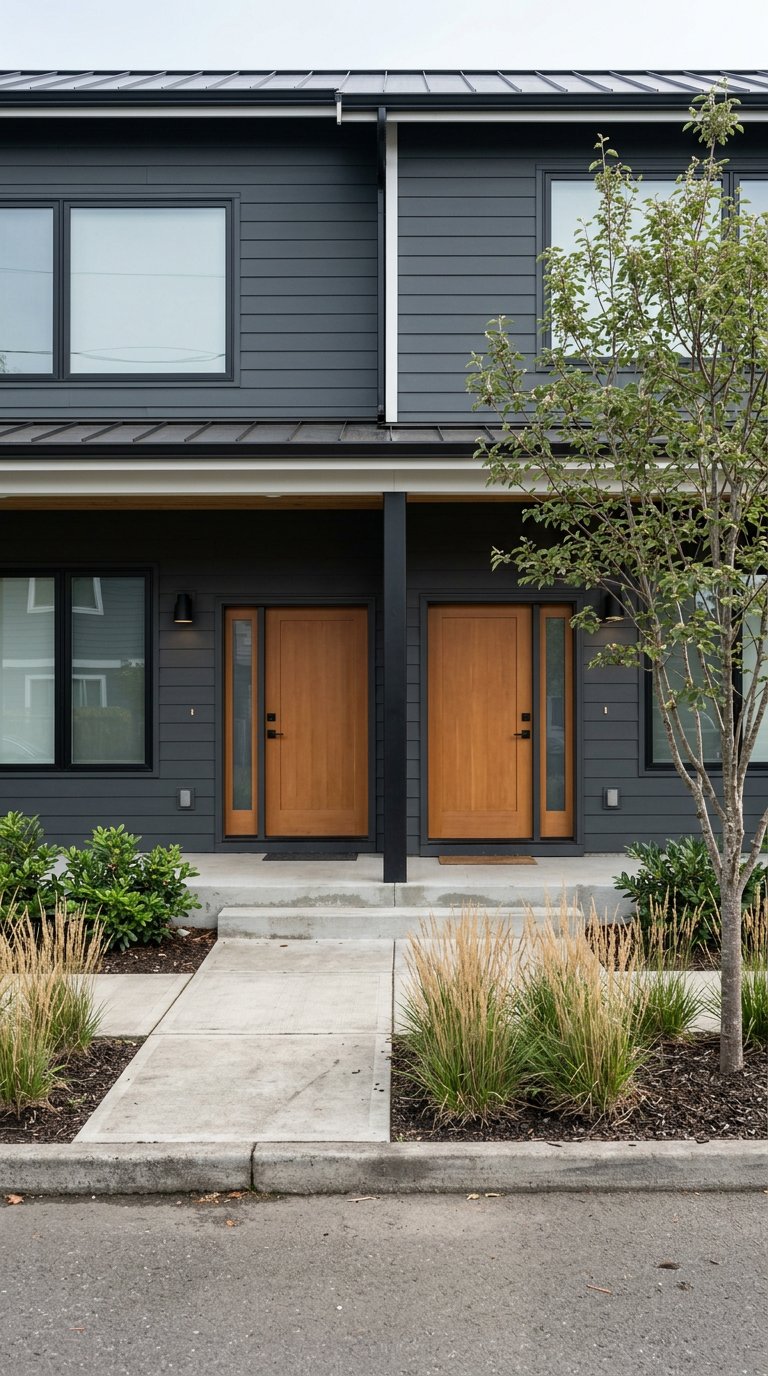
Duplexes, triplexes, and fourplexes offer unit‑level scale while staying close to residential financing and management models. These assets can add resilience by spreading vacancy risk across multiple doors. Be sure to underwrite conservative vacancy and turnover, especially when nearby new supply is leasing up.
Apartments by class
Newer class A buildings across the Spokane region have seen higher vacancy and concessions during lease‑up, while class B and C workforce housing has generally maintained steadier occupancy. If you target newer buildings or recent deliveries, expect to budget for lease‑up time and potential concessions. If you focus on mid‑market units, prioritize clean condition, functional layouts, and proximity to employment corridors.
Condos, ADUs and accessory rentals
Condos and ADUs appear in select Spokane Valley neighborhoods. Always check HOA rules and city zoning or permitting requirements before assuming a unit can be rented. The City’s comprehensive plan documents outline neighborhood types and allowed density, which helps you validate feasibility early.
Neighborhoods you will often hear in Spokane Valley include Greenacres, Opportunity, Trentwood, Veradale, Dishman, and the Mirabeau and Appleway corridors. Choose targets that match your tenant profile and verify price‑to‑rent ratios with current MLS comps.
What fuels renter demand
- Employment mix. Education and health services are among the largest sectors in the Spokane HMA. Government, logistics and warehousing, airport‑related jobs, and regional military employment also support steady workforce housing demand.
- Higher education influence. The metro’s universities contribute to student and young professional demand, centered more in Spokane proper but impactful across the region.
- Relative affordability. Spokane’s affordability compared with Puget Sound draws in‑migration and households not yet ready to buy, which supports renter pools across the Valley.
Hud’s Spokane analysis is a good resource for regional employment context and rental market conditions.
Underwriting: returns, rates and realistic math
Start with a simple gross‑rent yield to sanity‑check deals. Using local medians, $1,457 per month in rent equates to $17,484 per year. Divide that by a $412,000 purchase price to get roughly a 4.2 percent gross yield. This is only a starting point. Your real decision should use NOI, cap rate, and cash‑on‑cash after taxes, insurance, maintenance, reserves, management, vacancy, and financing.
Financing matters. The Freddie Mac 30‑year fixed average was near 6.0 percent in early March 2026, but investor loans typically price higher than owner‑occupied mortgages. Many conventional investment loans require about 20 to 25 percent down, and closing costs often land around 2 to 5 percent of the purchase price. Get quotes from multiple lenders and model different rate and down‑payment scenarios before you write an offer.
Your initial numbers checklist:
- Confirm today’s rent range for comparable beds, baths, and condition in your specific neighborhood. Avoid relying only on metro averages.
- Budget full operating costs in your pro forma, not just mortgage and taxes.
- Stress test for higher vacancy and slower rent growth, especially if competing with new deliveries.
Operating costs you must model
Property management fees in the Spokane area commonly run about 8 to 12 percent of collected rent, with a leasing or placement fee often equal to 50 to 100 percent of one month’s rent when a new tenant is placed. Always request a written fee schedule and clarify what is included. Budget for advertising, lease‑up, and any repair markups so there are no surprises.
Maintenance and reserves are critical to stable cash flow. A common approach is to set aside about 1 percent of property value per year for routine upkeep or 5 to 10 percent of gross scheduled income as an operating reserve. Also plan separate capital reserves for bigger items like roof, HVAC, and flooring on longer cycles.
Insurance premiums for landlord policies vary by coverage and location. Get quotes during due diligence and include liability coverage or an umbrella policy as appropriate. Vacancy and turnover costs can add up as well. Build in time for cleaning, minor repairs, and marketing between tenants.
Rules, taxes and permits to know before you buy
State landlord‑tenant law
Washington’s Residential Landlord‑Tenant Act (RCW 59.18) is your primary guide for notices, deposits, habitability, and timelines. Read the statute and set your lease and processes to comply. Timing mistakes can be costly.
State rent stabilization
In May 2025, Washington enacted rent stabilization that caps many annual rent increases for existing tenants. The cap is the lower of 7 percent plus inflation or 10 percent, and there is no increase during the first 12 months of many tenancies. Model conservative rent growth and confirm how the law applies to your specific tenancy type before setting expectations.
Local licensing and short‑term rentals
Plan for city business registration when operating rentals as a business, and confirm any local reporting requirements. If you are considering a short‑term rental strategy, verify zoning, permit or registration steps, and lodging taxes before you assume nightly‑rate income. Compliance varies by jurisdiction and property type.
Property tax context
Spokane County’s effective property tax rate is moderate by national standards, roughly around 0.86 percent depending on district levies. Always pull parcel‑level levy details from the county and use the actual bill in your pro forma.
Incentives and permitting
Regional documents note housing supply efforts and program tools that may apply more to multifamily or infill projects. If you plan a value‑add or density change, verify zoning, permitting paths, and any incentive programs directly with city staff before you commit capital.
Neighborhood orientation for investors
Spokane Valley offers a range of subareas and corridors. You will hear Greenacres, Opportunity, Trentwood, Veradale, Dishman, and the Mirabeau and Appleway corridors in local listings and planning documents. For each target, pull recent closed sales and pending data from the MLS, then compare realistic asking rents by bed and bath count. Keep your analysis hyper‑local and condition‑specific. The most reliable deals come from tight comp sets, not metrowide averages.
A simple due‑diligence plan
- Run neighborhood comps using the latest Spokane REALTORS market activity report and your agent’s MLS access for the most precise data.
- Pull parcel taxes and levies, then plug the actual numbers into your PITI and NOI.
- Read RCW 59.18 and confirm any local registration or inspection rules that may apply to your property type.
- Get multiple lender quotes and compare rate, points, and investor loan terms against the broader mortgage backdrop.
- Request property‑management proposals early. Compare fee schedules in writing and what is included in lease‑up and ongoing service.
- Build conservative reserves using a percentage of value or income, plus a CapEx plan for big systems.
- If you are exploring short‑term rentals, verify zoning, permit needs, and lodging tax registration before you underwrite nightly rates.
Short‑term rentals: proceed with care
Short‑term rentals can increase gross revenue, but they bring higher operating costs, more active management, and specific insurance and tax needs. Rules vary by jurisdiction and property type, so confirm zoning and permits first. If you are new to STRs, model both nightly and long‑term scenarios so you have a fallback plan.
How we help you buy with confidence
You deserve a calm, data‑driven path to your next investment. As a Spokane‑based, husband‑and‑wife team with CENTURY 21 Beutler & Associates, we pair neighborhood‑level expertise with full‑service buyer representation. We help you target properties that fit your strategy, compare real comps and rents, negotiate from a position of strength, and coordinate the transaction from offer to close. When you are ready to explore opportunities in Spokane Valley, reach out to BranDen Tipton.
FAQs
What returns can I expect on a Spokane Valley rental property?
- A quick screen is gross‑rent yield. Using local medians, $1,457 per month on a $412,000 purchase is about 4.2 percent gross. For decisions, build full NOI and cash‑on‑cash models that include financing, taxes, insurance, management, vacancy, and reserves.
How will Washington’s rent stabilization affect my plan?
- The 2025 law caps many annual rent increases for existing tenants to the lower of 7 percent plus inflation or 10 percent, and generally bars increases in the first 12 months of many tenancies. Underwrite with conservative rent growth and confirm how the rules apply to your lease type.
Do I need a property manager in Spokane Valley?
- Many investors hire a local manager, with common fees around 8 to 12 percent of rent plus a leasing fee. The tradeoff is lower time commitment and potentially lower vacancy due to professional marketing and tenant screening. Always get the full fee schedule in writing.
Are short‑term rentals allowed in Spokane Valley?
- Rules vary by jurisdiction and zoning. Before you buy for STR income, confirm whether the property is eligible, what permits or registrations are required, and how lodging taxes are handled. Build your numbers with compliance costs included.
