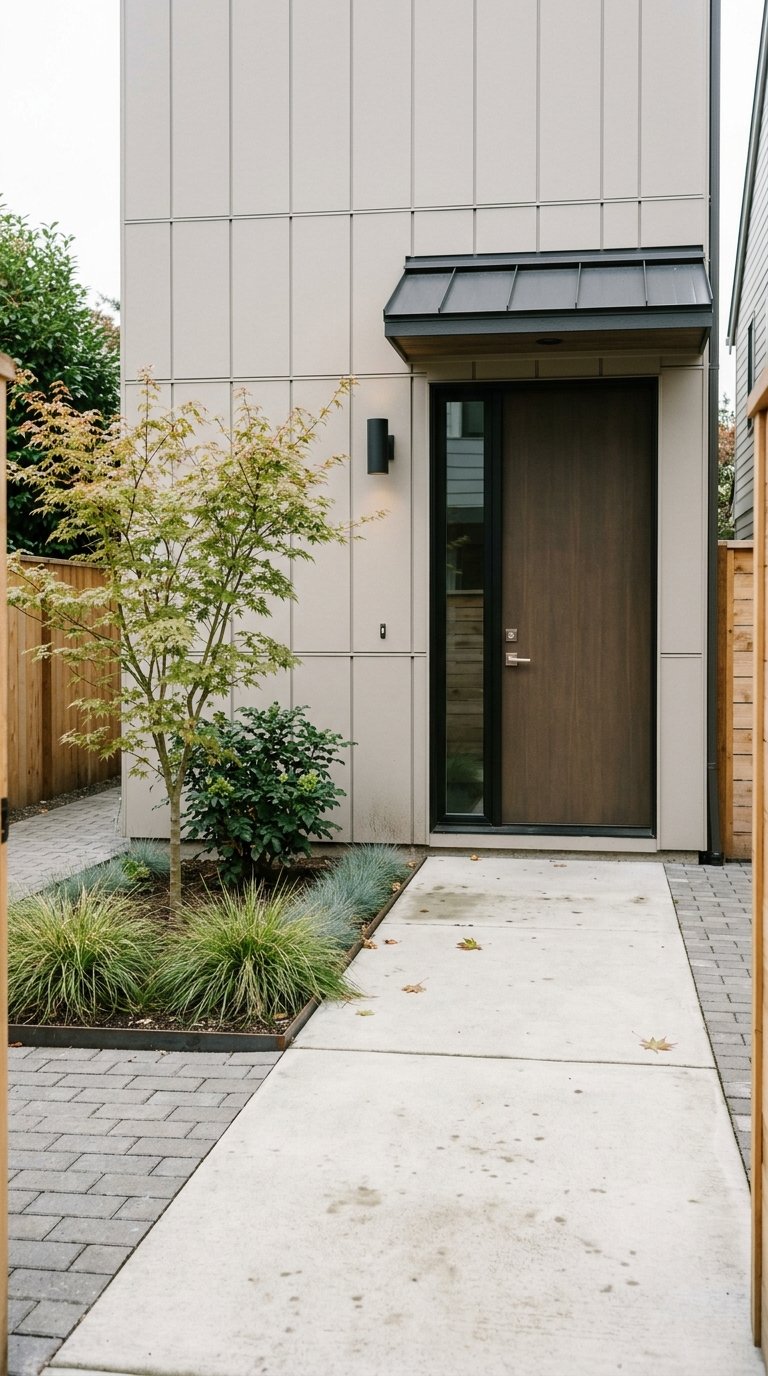
Feeling stretched by land chores, long driveways, and upkeep that never really ends? If you own acreage in Colbert, there often comes a point when the space you once loved starts asking for more time, money, and energy than you want to give. The good news is that downsizing does not have to mean settling. It can mean trading maintenance for flexibility, simplifying your monthly routine, and moving into a home that fits how you want to live now. Let’s dive in.
Why Colbert acreage owners are rethinking space
Owning acreage in Colbert can offer privacy, room for hobbies, and a slower pace. It can also come with septic upkeep, well records, private road maintenance, outdoor-burning rules, and seasonal property work that adds up over time.
That is one reason many owners start looking at low-maintenance options later in life or after their needs change. Instead of managing land, outbuildings, and long to-do lists, you may be ready for a home with less exterior upkeep and easier day-to-day living.
Why this move is both practical and personal
Downsizing is not only about square footage. It is often about freeing up time, reducing physical work, and making your home support your current lifestyle instead of your past one.
That shift can be emotional, especially if you have lived on your property for many years. A move like this usually means sorting through storage, changing routines, and deciding what matters most in your next chapter.
Colbert acreage sits in a unique market segment
If you are selling acreage in or near Colbert, it helps to know you are not selling into the same segment as a typical in-town home. Spokane REALTORS’ June 2026 market data shows that site-built homes and condos on less than one acre had 597 closed sales with a median close price of $434,950, while resale properties on 1 to 5 acres had just 44 closed sales with a median close price of $650,000.
That does not automatically mean your property will sell for more. It does mean acreage is a smaller, more specialized niche, so pricing and preparation need to reflect both market data and the details of your property.
What to prepare before listing acreage
Acreage buyers usually ask more questions than buyers of smaller in-town homes. They want to understand how the property functions, what it costs to maintain, and whether there are any hidden issues.
Creating a solid listing file early can make your home easier to market and easier for buyers to evaluate with confidence. It also helps reduce surprises once you are under contract.
Gather rural system records
In much of rural Spokane County, sewer service is uncommon, so septic systems are typical. Wells are also common for water, and Spokane County’s rural living guidance notes that the Spokane Regional Health District may require a pump test and water-quality testing before permit signoff in some situations.
That means buyers often want to see records before they make a strong offer. If you can provide them early, you may help the transaction move more smoothly.
A practical records file often includes:
- Septic records and service history
- Well log, pump information, and water test results if available
- Manuals or warranties for systems staying with the property
- HVAC, generator, or major equipment records
- Outbuilding information that helps explain use and upkeep
Review road access and easements
Many rural properties in the Colbert area are served by private roads or driveways. Spokane County notes that private roads and driveways are not county maintained, and unpaved roads can become more difficult during winter conditions.
If your property has shared access, a private road agreement, or easement documents, collect those now. Buyers want clarity about access, maintenance responsibility, and how the property functions year-round.
Check permits and land-use documents
If your acreage has had additions, outbuildings, lot changes, or other improvements over the years, it is smart to organize that paperwork before listing. Spokane County Current Planning handles use and subdivision matters in unincorporated Spokane County, including boundary line adjustments, short plats, subdivisions, conditional use permits, and variances.
If a future buyer might care about lot-line cleanup or subdivision potential, county rules and timelines matter early. Even if no changes are planned, having permits, surveys, and related documents ready can add confidence.
Confirm current-use classification status
Some acreage in Spokane County may qualify for current-use valuation as farm, agricultural, or forest land. That can lower taxable value compared with highest and best use, but Spokane County also notes that when classified land is sold or withdrawn, additional tax, interest, and sometimes penalty may apply if the process is not handled correctly.
This is one reason acreage pricing can get complicated. Your asking price should reflect not just market value, but also any possible current-use rollback exposure and costs tied to improvements or removal from the program.
Why pricing acreage takes extra care
A smaller home in town may be easier to compare against nearby sales. Acreage is different because value can be affected by land classification, development potential, water, septic, access, outbuildings, and documentation.
Washington property is generally appraised at 100% of true and fair market value using highest and best use unless a special classification applies. For a Colbert seller, that means land with possible development potential may be viewed differently than land used only for rural living.
This is where a detailed, local pricing strategy matters. You want to understand not just what nearby properties sold for, but why they sold at those numbers and how your property’s features affect buyer demand and net proceeds.
How to make your acreage easier to picture
Buyers need to imagine not only the home, but also the lifestyle. If your property feels overwhelming, cluttered, or hard to understand, buyers may focus on work instead of opportunity.
Simple prep can make a big difference. According to NAR’s 2025 staging report, 29% of agents saw a 1% to 10% value lift from staging, and 49% saw faster sales, with decluttering, deep cleaning, and curb appeal among the most common recommendations.
Focus on clarity, not perfection
For acreage, presentation is often about helping buyers quickly understand the property. Clean pathways, tidy utility areas, organized outbuildings, and clearly maintained systems can help the home feel more manageable.
A pre-sale inspection can also help surface issues before buyers do. That can be especially useful on properties with wells, septic systems, generators, HVAC components, or older outbuildings.
What to prioritize in your next home
Low-maintenance living looks different for everyone. For some, it means a townhome with exterior care handled through dues. For others, it means a smaller single-level house with a manageable yard and shorter drive times.
The key is to define what “easier” really means in your day-to-day life. That starts with a wants-versus-needs list and a realistic look at the costs of your next housing choice.
Look beyond square footage
After acreage, many downsizers care less about total space and more about how the home lives. Features that often matter include:
- Single-level or limited-stair layouts
- Easier parking and simpler entry
- Smaller lots with less yard work
- Shorter drives to daily errands and appointments
- Enough room for hobbies, storage, or guests without excess upkeep
A smaller home can still feel comfortable if the layout supports your routine. In many cases, the right design matters more than the total number on the floor plan.
Compare true monthly costs
A low-maintenance home does not always mean a lower total monthly cost. NAR notes that lenders and insurers often suggest budgeting 1% to 4% of a home’s value per year for maintenance and repairs, which can help when comparing acreage ownership with a condo or townhome.
On the other hand, condos and townhomes often come with dues. In Washington, the Office of the Insurance Commissioner notes that condo and townhome ownership usually involves both an owner policy and a community master policy funded through dues.
Ask smart questions about HOA dues
If you are considering a condo or townhome, look deeper than the dues amount. Washington law encourages reserve accounts and reserve studies for condominium associations, with annual updates and periodic visual inspections required for many communities.
That makes it important to ask for dues history, reserve studies, and any signs of deferred maintenance. A home that looks easy to maintain today may become more expensive later if the association has not planned well.
Timing your sale and purchase carefully
Because Colbert acreage sits in a smaller market niche and lower-maintenance homes may move quickly, timing matters. Spokane County’s June 2026 market data showed strong active inventory in the under-one-acre segment, but acreage remained a lower-volume category.
If you are both selling and buying, preparation can create options. A buyer who is prequalified and ready to act often has more flexibility when the right replacement home hits the market.
Tax issues that may affect your move
For many sellers, net proceeds matter just as much as sale price. If your acreage is your primary residence, the IRS says many sellers may exclude up to $250,000 of gain, or $500,000 on a joint return, if ownership and use tests are met.
Washington also offers property tax exemption and deferral programs for qualifying seniors and people with disabilities. Depending on your age, income, and occupancy status, those programs may affect your timing and overall plan.
A simpler move starts with a clear plan
Downsizing from Colbert acreage is rarely just a real estate decision. It is a lifestyle decision with moving parts that include pricing, paperwork, timing, and emotions.
When you approach it in the right order, the process feels much more manageable. Start with the property records, understand your tax and classification issues, define what low-maintenance living means to you, and then build a move around your real priorities.
If you are thinking about selling acreage in Colbert and moving to a simpler home in Spokane County, a local strategy can make all the difference. BranDen Tipton can help you evaluate your property, prepare it for the market, and plan your next move with a clear, practical approach.
FAQs
What records should you collect before listing Colbert acreage?
- Start with septic records, well logs or pump information, water test results if available, road or easement agreements, surveys, current-use paperwork, permits, and manuals or warranties for major systems.
Why is pricing Colbert acreage harder than pricing an in-town home?
- Acreage value can be affected by land classification, access, wells, septic systems, outbuildings, development potential, and possible current-use tax exposure, so pricing usually requires more property-specific analysis.
Will downsizing from acreage always lower your monthly housing costs?
- Not always. You may save on yard work, road upkeep, and rural system maintenance, but condo or townhome dues, insurance, and reserve funding can offset some of those savings.
What should you look for in a low-maintenance home after living on acreage?
- Many downsizers focus on practical features such as single-level living, a smaller lot, easier parking, simpler exterior care, and a location that reduces routine driving.
Can current-use classification affect your net proceeds when selling Spokane County acreage?
- Yes. If land is enrolled in a current-use program, selling or withdrawing it may trigger additional tax, interest, and sometimes penalty depending on how the process is handled.
