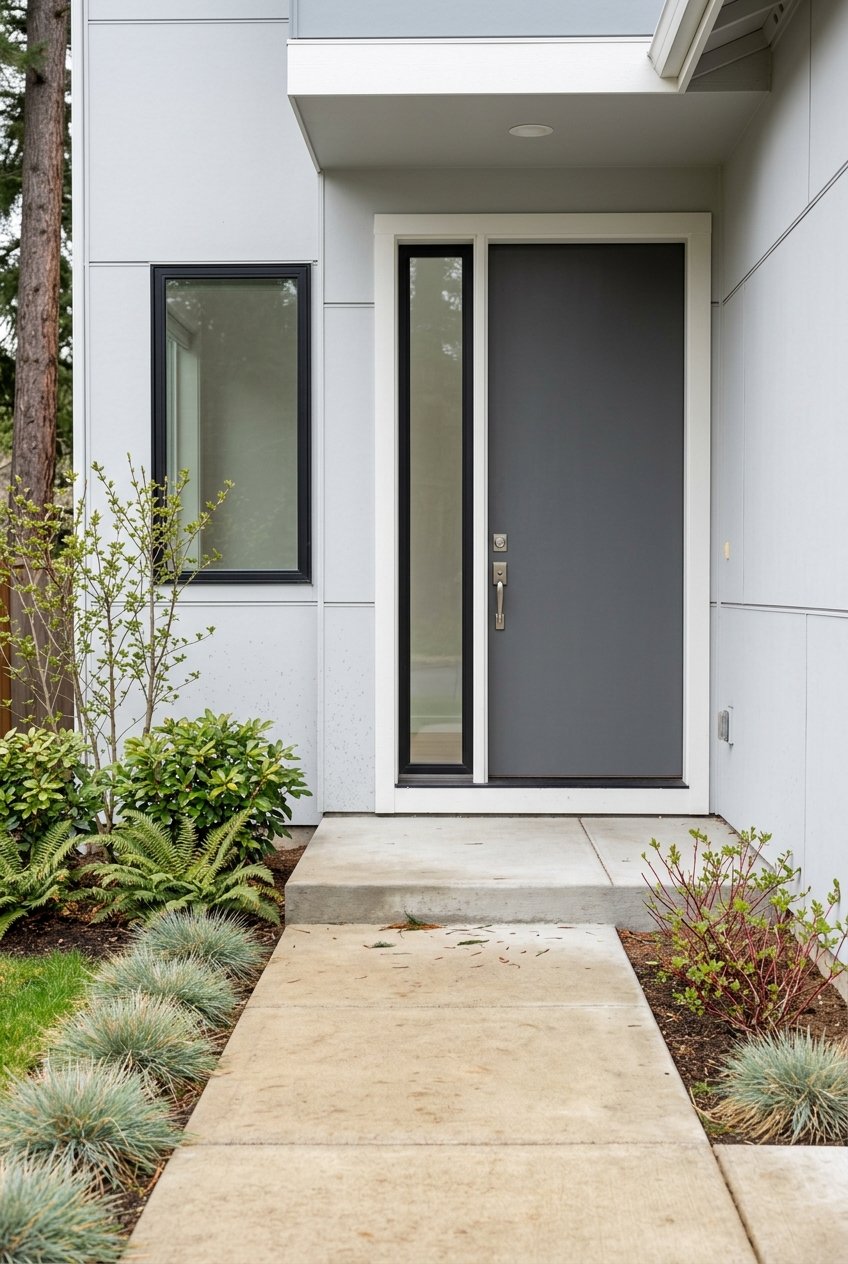
Buying your first home in Mead can feel exciting and overwhelming at the same time. You are trying to balance budget, timing, commute, and confidence while making one of the biggest purchases of your life. The good news is that a clear plan can help you avoid common mistakes and move forward with less stress. Here is a practical roadmap to help you prepare, shop smart, and close with confidence in Mead.
Understand the Mead market
Mead is a Census-designated place in Spokane County with 7,576 residents, and it is a community with a high rate of owner-occupied housing at 89.5%. For first-time buyers, that matters because it points to a market where many homes are lived in by owners rather than held as rentals. It also means you may be shopping in an area where buyers often plan to stay for the long term.
Recent market data gives more useful context. Realtor.com reported 49 homes for sale in Mead, a median listing price of $553,500, a median days on market of 56 days, and a 98% sale-to-list ratio. That suggests a market where preparation matters because inventory is limited, but you still have room to be thoughtful and strategic instead of rushing into the first house you see.
Start with your full budget
Before you tour homes, build your budget around more than just the purchase price. The Consumer Financial Protection Bureau says closing costs typically run about 2% to 5% of the purchase price, not including your down payment. You should also plan for insurance, inspections, lender fees, title and escrow charges, and moving expenses.
That bigger picture can help you avoid becoming house-rich and cash-poor. A payment that looks manageable on paper can feel very different once closing costs and move-in expenses show up. Knowing your full budget early gives you a more realistic price range and stronger peace of mind.
Budget items to plan for
- Down payment
- Closing costs
- Home inspections
- Homeowners insurance
- Earnest money
- Moving costs
- Immediate repairs or updates
- Utility setup and service changes
Explore Washington assistance options early
If saving for a down payment or closing costs feels like the hardest part, you are not alone. The Washington State Housing Finance Commission says qualifying borrowers may be able to get help with both down payment and closing costs through its programs. It also offers homebuyer education and specialized home loan options.
Two of the main statewide programs are Home Advantage and House Key. According to the Commission, Home Advantage is designed for low- and moderate-income households, while House Key is the Commission’s first-time homebuyer program unless a targeted-area or veteran exception applies. If you think you may qualify, it is smart to review these options before you start making offers.
Get guidance before you shop
Many first-time buyers think they need to figure everything out on their own first. In reality, getting help early can save time and reduce stress. HUD-approved housing counselors can help with budgeting, credit questions, and the homebuying process.
That kind of support can be especially helpful if you want to improve your readiness before talking numbers and offers. A counselor can help you see where you stand and what steps may strengthen your position. If you want extra support, this can be a smart first move.
Keep commute planning realistic
Commuting is a real part of the home search in Mead. The Census reports a mean travel time to work of 23.7 minutes, which gives you a useful baseline. Still, your actual route may feel very different depending on where the home sits and when you drive.
Spokane County’s Mead and Day Mt. Spokane Transportation Area Plan focuses on traffic safety, street design, connectivity, and bike and pedestrian facilities. For you, the practical takeaway is simple: test the drive during the same hours you would actually commute. A quick weekend drive may not show what your daily routine would really look like.
Tour Mead homes with local due diligence
In Mead, a home tour should go beyond layout and finishes. If you are looking at homes on acreage or outside a typical subdivision setup, utility questions become a big part of the decision. You want to understand how the property functions, not just how it looks.
For some homes, that means checking water, septic, and road access details early. Seasonal conditions can change what ownership feels like, especially on county roads or more rural properties. Asking those questions before you write an offer can help you avoid surprises later.
Ask these questions during tours
- What is the typical commute like during weekday rush hours?
- Are there seasonal road restrictions or winter access concerns?
- Is the home connected to standard utilities or does it use private systems?
- If there is a private well, what testing or review has been done?
- If there is onsite sewage, are records available for maintenance and inspections?
Understand septic and well checks
If a property has an onsite sewage system, Spokane Regional Health District requires owners to maintain operational permits and submit inspection records either annually or every three years, depending on the system. That makes record review important when you are evaluating a home. Ongoing maintenance is part of ownership, so it is worth understanding upfront.
Private water systems also deserve careful review. Spokane Regional Health District inspects wells and completes water adequacy reviews in some cases, and it recommends that private well owners in Spokane County test for contaminants such as arsenic and PFAS. If you are considering a home with a private well, water information should be part of your due diligence from the start.
Verify school boundaries by parcel
If school attendance boundaries matter to your search, verify them directly instead of relying on a listing or assumption. Mead School District serves north Spokane and publishes separate attendance areas for elementary, middle, and high schools. Boundaries can shift depending on the parcel.
This step is simple, but it matters. It helps you make decisions based on current district information rather than old marketing remarks or neighborhood assumptions. When in doubt, confirm the parcel-specific boundary before moving forward.
Know how Washington disclosures work
Washington seller disclosures are an important part of the timeline. In most improved residential sales, the seller must deliver a disclosure statement after mutual acceptance, and the form is based on the seller’s actual knowledge rather than a warranty. Buyers generally have three business days from delivery to rescind unless that right is waived or otherwise changed in writing.
That timing matters because it affects how quickly you need to review documents and ask follow-up questions. On rural-edge or acreage homes, disclosures can be especially useful when you are learning about wells, septic systems, or nearby farm or working forest notices. Once a deal is accepted, this is not the time to go quiet.
Move quickly after your offer is accepted
The first week after mutual acceptance is busy for a reason. Washington law says the seller disclosure statement must be delivered no later than five business days after mutual acceptance unless otherwise agreed. Since buyers generally have three business days from delivery to rescind, you should be ready to review documents right away.
This is also the time to line up inspections, stay in close contact with your lender, and keep your timeline organized. Waiting too long can create unnecessary stress. A strong plan makes this stage feel much more manageable.
Your first week under contract
- Review seller disclosures as soon as they arrive
- Schedule inspections right away
- Ask follow-up questions about utilities, systems, or access
- Stay in touch with your lender on required documents
- Keep track of deadlines in writing
Prepare for closing day
As closing gets closer, the paperwork becomes just as important as the house itself. The Consumer Financial Protection Bureau says the lender must send the Closing Disclosure at least three business days before closing. You should compare that document to your earlier loan estimates and question any unexpected changes before signing.
It is also wise to do a final walk-through before closing. This is your chance to confirm that agreed repairs are complete and that the property is in the condition you expect. A careful final review can help you avoid last-minute issues.
Understand one key Washington cost detail
First-time buyers sometimes assume every tax tied to the sale will land on them. In Washington, real estate excise tax is a tax on the sale of real property and is usually paid by the seller. That is different from the buyer’s own closing costs, prepaid items, and loan-related charges.
Knowing that distinction helps you budget more accurately. It also keeps you from overestimating your cash needed at closing. Clear expectations can make the final stretch much less stressful.
Build a realistic Mead timeline
Most first-time buyers want to know how long the process will take. In Mead, a practical timeline is often a few weeks of financial prep, a few weeks of touring and offer writing, and several more weeks from accepted offer to closing. That estimate lines up with the current market pace and the normal mortgage-closing process.
Some purchases take longer, especially if the property includes acreage, a private well, or septic. Those homes often require extra due diligence and document review. If you plan for that possibility from the beginning, the process will feel a lot less frustrating.
Why a roadmap matters
Your first home purchase does not need to feel like guesswork. In Mead, the smartest buyers are the ones who prepare their budget early, understand local property details, test the commute, and stay organized once they are under contract. A good roadmap gives you more clarity and better decisions from start to finish.
If you are ready to start your first home search in Mead, having the right local guidance can make a big difference. The Inland Empire Home Team is here to help you search with a plan, understand the details, and move forward with confidence. Reach out to BranDen Tipton when you are ready to take the next step.
FAQs
What is the median home price in Mead, WA for first-time buyers?
- Realtor.com’s recent Mead market snapshot reported a median listing price of $553,500.
How much should first-time buyers budget for closing costs in Mead, WA?
- The Consumer Financial Protection Bureau says closing costs typically run about 2% to 5% of the purchase price, not including the down payment.
Are there down payment assistance programs for Washington first-time buyers?
- Yes. The Washington State Housing Finance Commission says qualifying borrowers may be able to get help with down payment and closing costs through programs such as Home Advantage and House Key.
What should buyers check on acreage homes in Mead, WA?
- You should review commute times, road access, winter conditions, septic records, well information, and utility setup before writing an offer.
How do school boundaries work for homes in Mead, WA?
- Mead School District publishes attendance boundary maps, and boundaries should be verified by parcel rather than assumed from the neighborhood or listing.
When do buyers receive seller disclosures in Washington?
- In most improved residential sales, the seller must deliver the disclosure statement no later than five business days after mutual acceptance unless otherwise agreed, and buyers generally have three business days from delivery to rescind.
