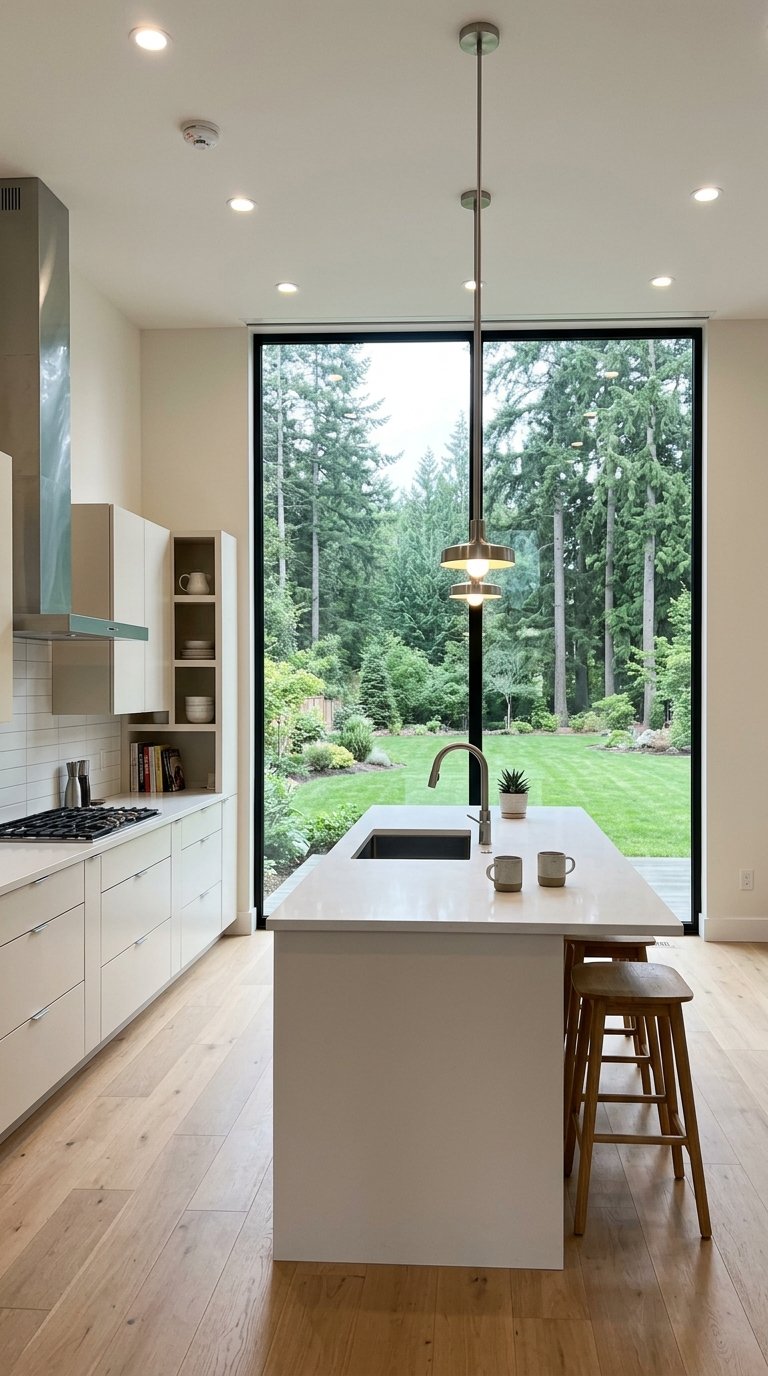
If you want more elbow room without feeling cut off from everyday conveniences, Deer Park may be worth a closer look. This small city north of Spokane offers a mix of in-town living, larger parcels, and a community rhythm that feels more relaxed than many busier markets. Whether you are dreaming about a home with land or simply want a small-town setting with access to outdoor recreation, understanding how Deer Park works can help you make a smarter move. Let’s dive in.
Why Deer Park Appeals to Small-Town Buyers
Deer Park is about 20 miles north of Spokane, which gives you some separation from the pace of the city while keeping regional access in reach. The city reports a 2024 population estimate of 5,191 across 6.89 square miles, which supports the smaller-scale feel many buyers are looking for.
That local scale matters in day-to-day life. You are not just choosing a house here. You are choosing a town where community events, parks, and local businesses play a visible role in how the area feels.
Deer Park also has a high owner-occupied housing rate of 70.3%, according to Census QuickFacts. For buyers exploring long-term homeownership, that can add useful context as you compare Deer Park with other nearby options.
What Living in Deer Park Feels Like
One of Deer Park’s biggest draws is that it offers a true small-town atmosphere without giving up practical amenities. The city highlights several parks, a golf course, an RV park, growing businesses, and a general aviation airport at the edge of town.
Public spaces help shape the lifestyle here. Deer Park lists Earl D. Mix Park, Swinyard Park, Country Club Park, Deer Park Meadows Park, Perrins Field, and the Sports Complex among its recreation options. Swinyard Park also includes the city pool and skate park, which adds to the range of everyday activities available close to home.
The airport property adds another layer to the lifestyle picture. The city says it includes more than 400 acres of forest land open to hiking, equestrian use, snowshoeing, and cross-country skiing. If you want space and outdoor access built into your routine, that is a meaningful feature.
Deer Park Events Create Community Connection
A small-town setting often feels different because of what happens beyond your property lines. In Deer Park, city events help create that sense of connection throughout the year.
The city calendar includes the Deer Park Market, Pumpkin Lane, WinterFest, Summer Concert Series, and Settlers Day. Deer Park describes Settlers Day as the oldest continuous community celebration in Washington, which gives you a sense of how established and community-minded the town is.
For buyers relocating from a larger area, these details can matter more than expected. They help answer a simple question: what does everyday life look like once you move in?
In-Town Homes Versus Acreage Properties
One of the biggest decisions in Deer Park is whether you want to live in town or outside city limits. Both options can fit the small-town lifestyle, but they come with different tradeoffs.
Inside city limits, Deer Park says it provides water and sewer to the majority of homes. The city also has a mandatory garbage ordinance. For many buyers, that means in-town living may feel more straightforward from a utilities and maintenance standpoint.
Outside town, acreage properties can offer more privacy, more room for hobbies, and a different kind of day-to-day experience. At the same time, rural property searches usually require more due diligence because land size is only one part of the equation.
What Acreage Buyers Should Watch Closely
If you are shopping for land or a home on acreage near Deer Park, Spokane County rules become especially important. The county says minimum lot sizes vary by zoning, but outside the Urban Growth Area Boundary they are generally 5 acres or larger. Inside the Urban Growth Area, lots can be as small as 5,000 square feet.
That means two properties with a Deer Park address may function very differently depending on where they sit and how they are zoned. Spokane County’s Rural-5 zone allows traditional 5-acre rural lots, and the county also describes rural clustering as a way to preserve open space.
Utilities also change outside town. Spokane County notes that many rural homes rely on onsite wells, and the residential permit process includes an on-site septic review. If you are considering acreage, it is smart to think beyond the listing photos and focus on zoning, water, septic, access, and long-term usability.
Key questions for acreage buyers
- Is the property inside city limits, inside the Urban Growth Area, or outside it?
- What zoning applies to the parcel?
- Does the home use city utilities, a private well, or septic?
- Are there permit or site considerations that affect future plans?
- Does the property layout match how you actually want to use the land?
These questions can help you avoid surprises and compare rural properties more clearly.
Price Context for Deer Park Buyers
If you are in the early stages of your search, Deer Park’s census-based housing data offers a useful starting point. Census QuickFacts lists a median owner-occupied housing value of $347,000 and a median gross rent of $1,006 in the 2020 to 2024 ACS data.
These figures are not the same as current listing prices, and they should not be treated as exact market pricing. Still, they provide a broad benchmark as you compare Deer Park with other small-town and semi-rural options in the Spokane area.
For buyers balancing budget, land, and location, that bigger-picture context can be helpful. It gives you a baseline before you narrow down neighborhoods, lot sizes, or property types.
Outdoor Access Is a Major Lifestyle Perk
For many people, Deer Park is not just about a quieter setting. It is also about being close to more places to explore.
The city notes that Deer Park is close to lakes, mountains, and ski resorts. A standout nearby asset is Mount Spokane State Park, which Washington State Parks describes as a 12,444-acre park with 100 miles of trails and year-round opportunities for hiking, biking, horseback riding, snowshoeing, Nordic skiing, and camping.
That kind of access can shape how a place feels to live in. If your ideal home base includes room to spread out and easy drives to trailheads, winter recreation, or weekend camping, Deer Park offers a strong lifestyle case.
Commuting and Spokane Access
Small-town living does not always mean you are disconnected from jobs, shopping, or travel routes. Deer Park’s location about 20 miles north of Spokane helps keep it tied to the broader region.
The city reports a mean commute to work of 27.7 minutes, which gives a helpful snapshot of what daily travel can look like. Regional access may also improve over time through the North Spokane Corridor, which WSDOT says is building the future US 395 limited-access freeway through Spokane to connect I-90 to US 395 at Wandermere when complete.
For buyers who want a quieter home setting but still need regular access to Spokane, this balance is part of Deer Park’s appeal. You can enjoy a more rural-feeling base without stepping too far away from the wider network of the region.
Deer Park for Different Types of Buyers
Deer Park can fit more than one type of home search. The right fit depends on how you want to live, not just what home you can buy.
If you are a first-time buyer, an in-town home may offer a simpler entry point with more utility support and easier maintenance. If you are moving up and want more land, rural properties around Deer Park may open the door to workshops, animals, extra storage, or just more breathing room.
If you are relocating, Deer Park can also make sense as a middle ground. You get a smaller community feel, local events, and outdoor access while staying connected to Spokane for work, errands, and regional travel.
A Local Approach Matters in Deer Park
In a market like Deer Park, details matter. An in-town home, a manufactured home on land, and a larger acreage parcel can each involve different questions about utilities, zoning, and property use.
That is where local guidance becomes valuable. When you have a team that understands both Spokane-area neighborhoods and surrounding lifestyle markets, you can compare options more confidently and spot the practical differences that affect your decision.
Whether you are buying your first home, searching for acreage, or planning a move from another part of the Inland Empire, it helps to work with professionals who can keep the process organized and responsive from search to closing. If you are ready to explore Deer Park homes or acreage opportunities, connect with BranDen Tipton for local guidance tailored to your goals.
FAQs
What is Deer Park, WA like for small-town living?
- Deer Park offers a smaller city setting about 20 miles north of Spokane, with parks, local events, growing businesses, and a population estimate of 5,191 in 2024.
What should buyers know about acreage property in Deer Park, WA?
- Buyers should pay close attention to Spokane County zoning, minimum lot sizes, well and septic needs, and whether a property is inside or outside the Urban Growth Area.
Are utilities different for in-town and rural Deer Park homes?
- Yes. The city says most in-town homes have water and sewer service, while many rural homes in the county rely on onsite wells and may require septic review.
Is Deer Park, WA a good option for commuting to Spokane?
- Deer Park is about 20 miles north of Spokane, and Census QuickFacts reports a mean commute to work of 27.7 minutes, making it a practical option for many regional commuters.
What outdoor recreation is near Deer Park, WA?
- Deer Park has local parks and airport forest land for activities like hiking and equestrian use, and nearby Mount Spokane State Park offers 100 miles of trails and year-round recreation.
What housing price context should buyers know for Deer Park, WA?
- Census QuickFacts lists a median owner-occupied housing value of $347,000 and a median gross rent of $1,006, which can help buyers compare Deer Park with other nearby markets.
